Could Americans Get a $2,000 Check in 2026? What Trump Has Promised and What’s Still Unclear
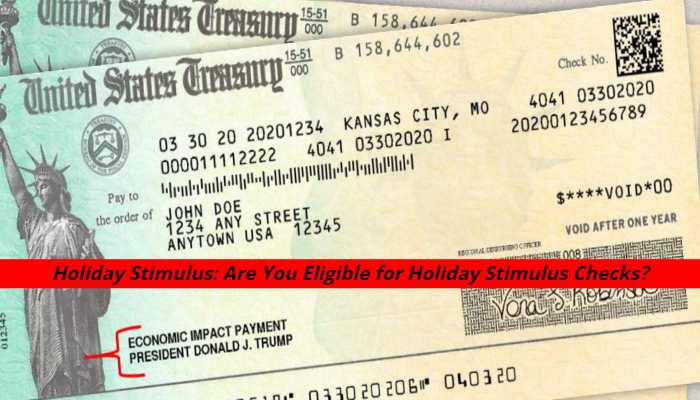
The idea of Americans receiving a $2,000 government check in 2026 has sparked widespread discussion, curiosity, and confusion. The proposal has been linked to statements made by former President Donald Trump, who has suggested that revenue from tariffs could be used to provide direct payments to U.S. residents. While the promise has gained attention, many important questions remain unanswered.
Here is a clear breakdown of what has been promised so far — and what is still uncertain.
What Is the $2,000 Check Proposal?
The proposal centers on the concept of a “tariff dividend.” Trump has suggested that money collected from tariffs on imported goods could be redistributed to Americans in the form of direct payments. Under this idea, eligible individuals could receive around $2,000, potentially as a one-time payment.
The proposal has been framed as a way to return government revenue directly to citizens, particularly middle- and working-class households affected by rising living costs.
What Has Trump Promised Publicly?
Trump has stated that tariff collections could generate significant funds and that Americans should benefit from that revenue. He has hinted that payments could arrive sometime in 2026, possibly in the middle of the year or later.
He has also suggested that the payments may be targeted, meaning not every American would automatically qualify. Income limits or other eligibility requirements could be applied, though no official criteria have been confirmed.
Importantly, these statements have been promises and proposals, not formal policy announcements backed by enacted law.
What Is Still Unclear?
Despite the attention the idea has received, several key issues remain unresolved.
No Approved Law or Program
There is currently no legislation passed that authorizes a $2,000 check. Any nationwide payment program would require approval from Congress and formal implementation by federal agencies. Until that happens, no checks can be issued.
Funding Concerns
While tariffs do generate government revenue, economists disagree on whether those funds would be sufficient to cover $2,000 payments for millions of Americans without affecting the federal budget or increasing deficits.
Eligibility Rules
There has been no official confirmation on:
-
Who would qualify
-
Whether payments would be per adult or per household
-
If income caps would apply
-
Whether dependents would be included
Economic Impact
Some experts warn that large cash payments could increase inflation or strain government finances, while others argue that targeted payments could help families manage rising costs. No final analysis has been released.
Legal and Policy Challenges
Tariff authority and how revenue can be used remain subject to legal interpretation. Any change in policy or court decisions could impact whether such payments are even possible.
Public Reaction So Far
Public opinion is divided. Some Americans support the idea of receiving a direct payment, especially as prices for housing, food, and energy remain high. Others remain skeptical, pointing out that similar promises in the past have not always resulted in actual checks.
The lack of clear details has contributed to both hope and uncertainty.
As of now, there is no confirmed $2,000 check scheduled for 2026. While Donald Trump has publicly floated the idea and suggested it could happen, the proposal remains unofficial and unapproved.
For Americans hoping for financial relief, the situation is best described as possible but far from guaranteed. Until concrete legislation is introduced and passed, the $2,000 payment remains a political promise rather than a confirmed reality.
Key Takeaways
-
The $2,000 check idea is tied to proposed tariff revenue.
-
No law has been passed to authorize payments.
-
Funding, eligibility, and timing remain unclear.
-
Any checks would require Congressional approval.
-
Americans should be cautious about claims of guaranteed payments.

Pulkeet Gupta is a dedicated content writer specializing in the field of education and entertainment niche. With a passion for learning and a keen interest in sharing knowledge, Pulkeet has established himself as a prominent figure in the education and entertainment writing community.