California Straight-A Student Who Killed Parents and Attacked Sister Sentenced Under Juvenile Law
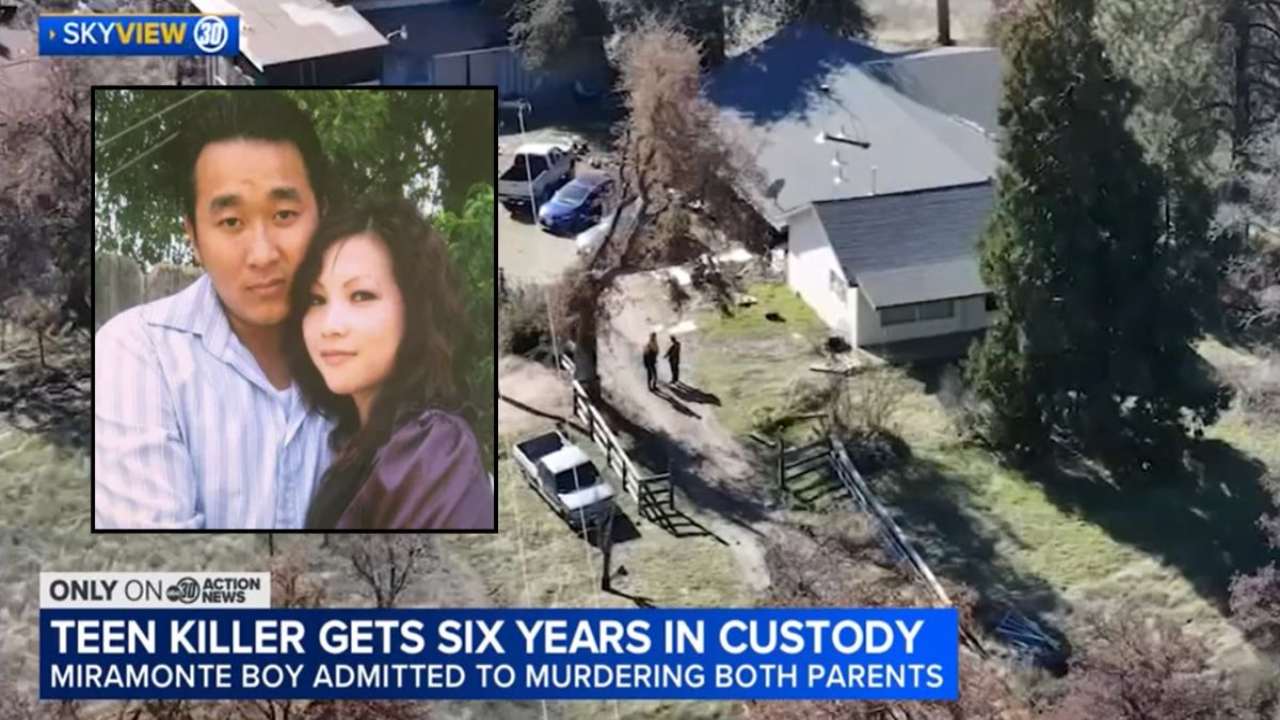
A deeply disturbing case in California has drawn national attention after a teenage honor student admitted to killing both of his parents and seriously injuring his younger sister. The sentencing, handed down under juvenile law, has sparked intense public debate about accountability, rehabilitation, and the limits of the justice system when minors commit violent crimes.
A Shocking Crime in a Quiet Community
The tragedy unfolded in late 2023 inside the family’s home in Fresno County. Authorities say the 14-year-old boy initially called 911 and claimed that an intruder had attacked his family. However, investigators quickly determined that there was no outside suspect.
According to law enforcement officials, the teen confessed to killing his mother and father using multiple weapons. He also violently attacked his 11-year-old sister, who survived but suffered serious injuries. A younger sibling in the home was not physically harmed.
The violence stunned neighbors and classmates, particularly because the teen had been described as a high-performing student with strong academic achievements prior to the incident.
Court Decision and Sentence
Because the accused was under the age of 16 at the time of the killings, the case was handled in juvenile court rather than adult criminal court. Prosecutors sought to pursue harsher consequences, citing the brutality of the crime. However, under state law, younger teens are generally processed through the juvenile justice system.
The court ultimately ordered the teen to serve several years in a secure juvenile facility. Under current law, he is expected to remain in custody until early adulthood. The sentence fell within the maximum range allowed under juvenile statutes.
The ruling has led to mixed reactions. Some community members expressed frustration, arguing that the punishment does not reflect the severity of the crime. Others believe the juvenile system is designed to focus on rehabilitation, particularly for offenders who committed crimes at such a young age.
Community Grief and Family Impact
The victims were remembered by friends and relatives as devoted parents who worked hard to support their children. The surviving siblings now face a long road of emotional recovery.
Support efforts have been organized within the community to help the children rebuild their lives following the tragedy. Counselors and mental health professionals are expected to play a significant role in assisting the family moving forward.
Broader Concerns About Youth Violence
The case has raised serious questions about youth mental health, family dynamics, and early warning signs. While investigators have not publicly detailed a clear motive, experts say that violent acts committed by minors often involve complex psychological and environmental factors.
Advocates emphasize the importance of early mental health intervention, open communication within families, and accessible counseling resources in schools to help identify potential risks before they escalate.
Ongoing Reflection
As the teen begins serving his sentence, the case continues to generate discussion across legal and social circles. It highlights the difficult balance courts must strike between holding young offenders accountable and recognizing their potential for rehabilitation.
For the surviving children and extended family, the focus now shifts toward healing and rebuilding after an unimaginable loss.

Pulkeet Gupta is a dedicated content writer specializing in the field of education and entertainment niche. With a passion for learning and a keen interest in sharing knowledge, Pulkeet has established himself as a prominent figure in the education and entertainment writing community.