Trump’s Proposed $2,000 Tariff Stimulus Check Could Exclude 42% of Americans
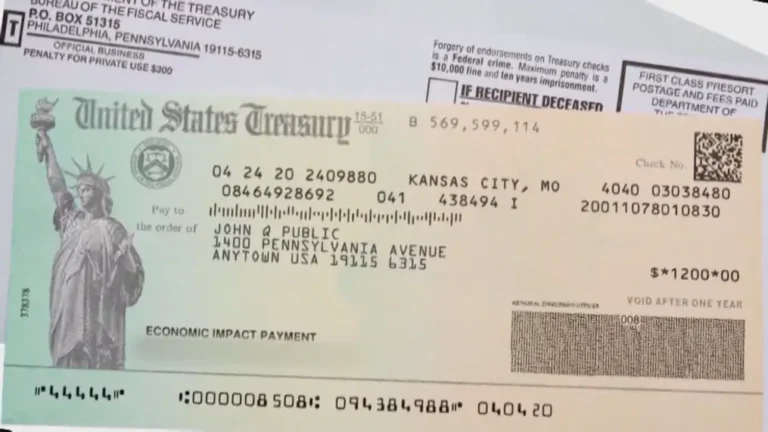
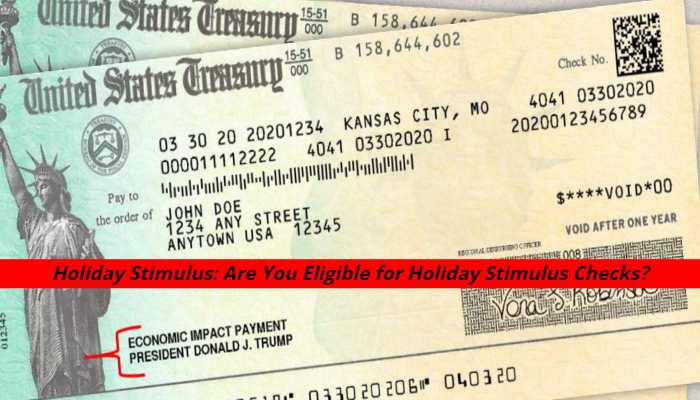
A proposed economic plan linked to former President Donald Trump has sparked widespread debate after reports suggested that a $2,000 stimulus-style payment funded by tariff revenue could exclude nearly 42% of Americans. While the idea of a large one-time payment has gained public attention, analysts say the eligibility rules could leave out a significant portion of the population.
What Is the $2,000 Tariff Stimulus Proposal?
The proposal centers on using money collected from tariffs on imported goods to provide direct payments to eligible Americans. The concept is being described as a “tariff dividend,” where revenue generated through trade policies would be redistributed to households as financial relief.
Supporters argue that this approach could help working families cope with rising costs, while critics say the structure of the plan raises concerns about fairness and coverage.
Why 42% of Americans May Not Qualify
Under the proposed framework, eligibility would be limited by income thresholds. Individuals and households earning above a certain annual income level would be excluded from receiving the payment.
Because a large share of Americans earn above these limits—particularly dual-income households and residents of high-cost areas—economic analysts estimate that roughly 42% of Americans could be left out. This includes many middle-income families who may not be considered high earners but still face financial pressure.
Who Would Likely Receive the Payment
If implemented as currently outlined, the $2,000 payment would primarily target:
-
Low- to moderate-income individuals
-
Households below specific income cutoffs
-
Taxpayers with recent filing records
The goal is to focus relief on those considered most financially vulnerable, though critics argue the cutoffs are too strict.
Economic and Political Debate
The proposal has sparked debate across the political and economic spectrum. Supporters say returning tariff revenue to taxpayers could stimulate spending and boost household budgets. Opponents question whether tariff revenue alone would be sufficient to fund payments of this size without long-term fiscal consequences.
There are also concerns about whether such payments could contribute to inflation or create uneven economic benefits across income groups.
Is the Payment Approved Yet?
At this stage, the $2,000 tariff stimulus check has not been approved or authorized. Any direct payment program would require legislative action and formal approval before funds could be distributed.
Lawmakers are expected to debate:
-
Income eligibility limits
-
Total program cost
-
Funding sustainability
-
Whether payments should be one-time or recurring
Until these questions are resolved, the proposal remains under discussion rather than an active benefit.
What Americans Should Know
For now, Americans should be cautious about assuming eligibility or payment timelines. No official distribution schedule exists, and final details—if the plan moves forward—could change significantly.
Those interested should monitor official government announcements and verified policy updates rather than relying on early projections.
While the idea of a $2,000 tariff-funded stimulus check has captured public interest, current proposals suggest that nearly half of Americans may not qualify. The plan remains a topic of discussion rather than a confirmed benefit, and major decisions still lie ahead.
As debates continue, the future of this proposal will depend on political negotiations, economic analysis, and legislative approval.

Pulkeet Gupta is a dedicated content writer specializing in the field of education and entertainment niche. With a passion for learning and a keen interest in sharing knowledge, Pulkeet has established himself as a prominent figure in the education and entertainment writing community.