Trump Hints at $1,000 Check Payment Date, and It Could Arrive Sooner Than Expected
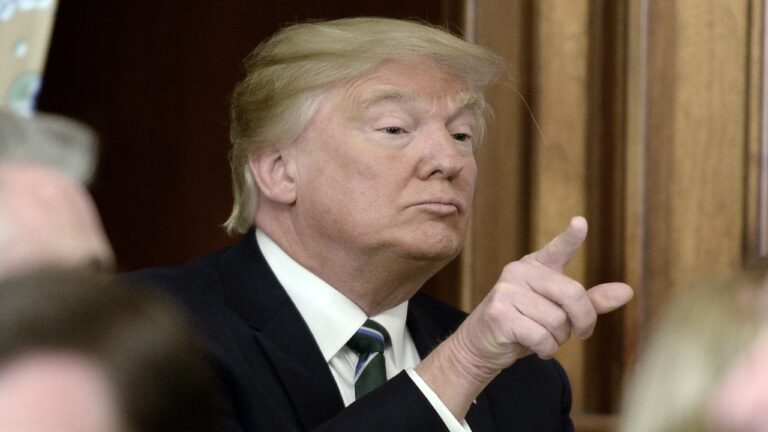
As Americans look ahead to the new year, former President Donald Trump has sparked renewed attention by hinting that a $1,000 payment could reach households sooner than many people expect. The remarks have fueled public discussion about potential financial relief, especially as families continue to manage rising living costs.
While no official nationwide payment program has been formally announced, Trump’s comments suggest that Americans could see a financial boost tied to upcoming tax changes or refund adjustments rather than a traditional stimulus check.
What Trump Actually Suggested
Recent statements and online posts from Trump pointed to a possible early-2026 payment timeframe, with indications that many Americans may receive around $1,000. The messaging focused on the idea that people would be “pleasantly surprised” by how soon the money arrives, particularly after filing their next tax return.
Importantly, the comments did not outline a new emergency relief program. Instead, they appeared connected to anticipated tax policy effects that could result in larger refunds or direct payments through existing IRS processes.
Not a Traditional Stimulus Check
Despite the excitement, this potential payment is not the same as past stimulus checks issued during economic crises. There has been no confirmation of a flat, automatic $1,000 check being sent to every eligible American.
Financial analysts explain that the $1,000 figure likely reflects:
-
Larger expected tax refunds
-
Adjustments in tax withholding
-
Expanded deductions or credits
-
Policy changes affecting take-home pay
For many taxpayers, these changes could result in more money returned after filing taxes, effectively functioning like a one-time boost.
When Could the Money Arrive?
If these projections hold true, eligible taxpayers could begin seeing higher refund amounts as early as late winter or early spring 2026, depending on when they file and how quickly returns are processed.
Those who file electronically and choose direct deposit typically receive refunds faster than those who file paper returns or request mailed checks.
Who Might Benefit Most
While details remain limited, middle-income households and working families are expected to benefit the most from refund increases tied to tax adjustments. The final amount received will vary based on income level, filing status, credits claimed, and withholding history.
Because refunds are individualized, not everyone will receive exactly $1,000, and some may receive more or less.
What Would Be Required for a Direct Check
If a separate, universal $1,000 check were to be issued outside of the tax system, it would require:
-
New federal legislation
-
Congressional approval
-
A clearly defined eligibility framework
As of now, no such legislation has been announced.
What Taxpayers Should Do Now
To prepare, financial experts recommend:
-
Reviewing paycheck withholding amounts
-
Filing tax returns early when the season opens
-
Ensuring banking details are current with the IRS
-
Being cautious of online claims promising guaranteed payments
Official announcements will always come through government channels, not social media rumors.
Trump’s comments have raised expectations, but at this stage, the $1,000 payment appears more likely to come through higher tax refunds rather than a direct stimulus check. While the money could arrive sooner than many expect, it is not guaranteed for everyone and will depend on individual tax circumstances.
Americans are encouraged to stay informed and plan ahead as more details emerge in the coming months.

Pulkeet Gupta is a dedicated content writer specializing in the field of education and entertainment niche. With a passion for learning and a keen interest in sharing knowledge, Pulkeet has established himself as a prominent figure in the education and entertainment writing community.