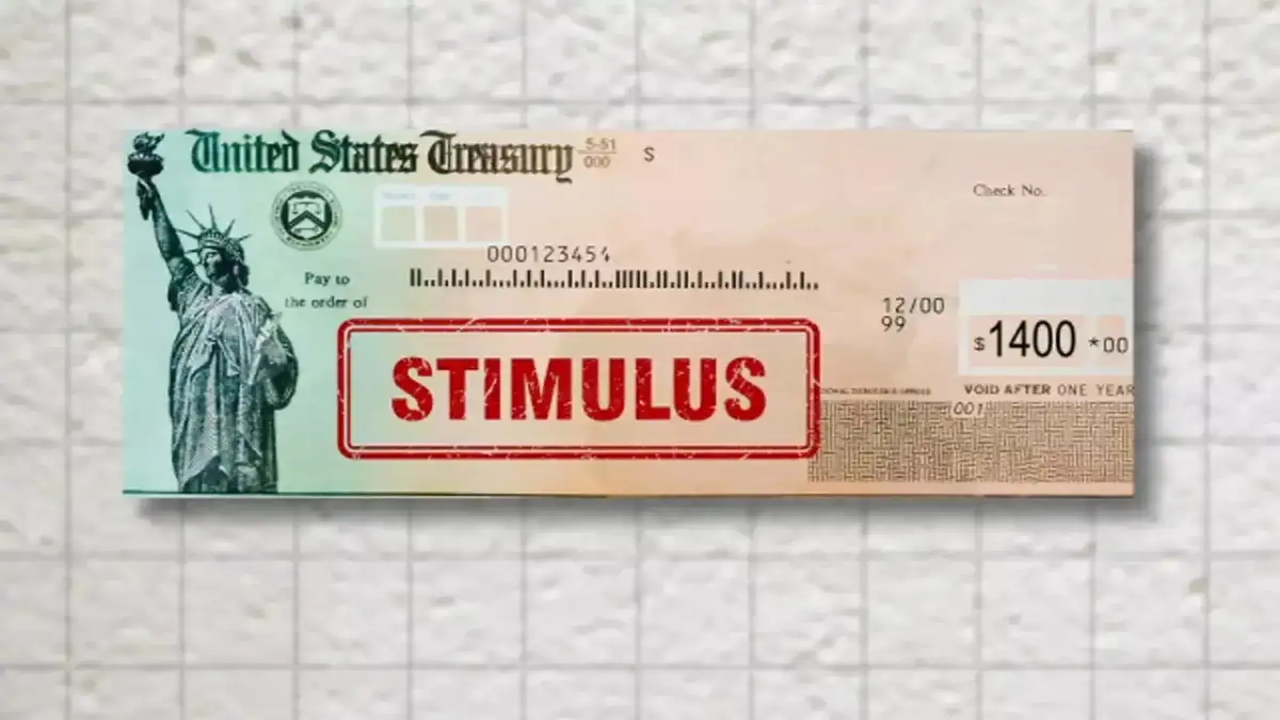
The Potential $2,000 Stimulus Checks: A New Economic Debate in the United States
The idea of issuing $2,000 stimulus checks has once again entered the national conversation, sparking renewed debate among policymakers, economists, and everyday Americans. While no payments have been approved yet, the discussion reflects growing concerns about household finances, inflation pressures, and the overall direction of the U.S. economy.
Why the $2,000 Stimulus Idea Is Gaining Attention
Rising living costs, including housing, food, healthcare, and utilities, continue to strain millions of households. Even as employment numbers remain strong, many families report that their wages are not keeping pace with everyday expenses. Against this backdrop, the concept of a one-time $2,000 payment is being discussed as a way to provide short-term financial relief.
Supporters argue that direct payments put money into people’s hands quickly, helping them manage essential bills, reduce debt, or cover emergency expenses. The idea has also gained traction as consumer confidence shows signs of softening amid economic uncertainty.
How These Stimulus Checks Would Differ From Past Payments
Unlike earlier stimulus programs that were introduced during national emergencies, the current debate centers on economic stabilization rather than crisis response. Lawmakers discussing the idea have suggested that any potential payment would likely be:
-
Targeted, focusing on low- and middle-income households
-
One-time, rather than recurring monthly payments
-
Income-based, with eligibility limits to control overall costs
If approved, payments would most likely be distributed electronically through systems already used for tax refunds and benefit payments.
Arguments in Favor of the Payments
Advocates believe $2,000 stimulus checks could:
-
Provide immediate relief for families facing high living costs
-
Boost consumer spending, helping local businesses
-
Reduce financial stress for seniors, workers, and fixed-income households
-
Act as a temporary buffer during economic slowdowns
Supporters also argue that direct payments are simpler and faster to deliver than complex tax credits or long-term assistance programs.
Concerns Raised by Critics
Not everyone agrees that stimulus checks are the right solution. Critics warn that large cash payments could:
-
Add pressure to inflation if consumer demand rises too quickly
-
Increase federal spending without long-term economic benefits
-
Provide short-lived relief without addressing structural issues like housing shortages or wage growth
Some economists argue that targeted programs — such as tax relief, childcare assistance, or housing support — may offer more lasting value than one-time checks.
Where the Proposal Stands Now
As of now, no $2,000 stimulus checks have been approved, and there is no official payment schedule. The idea remains part of an ongoing policy debate rather than an enacted plan. Any future stimulus would require formal legislation, funding approval, and agreement among lawmakers.
Still, public interest remains high, especially among Americans feeling the pressure of rising prices and uncertain economic conditions.
What Americans Should Know Going Forward
Until legislation is passed, individuals should treat stimulus discussions cautiously and rely only on official government announcements. While the idea of $2,000 payments is gaining attention, it is not guaranteed.
The debate highlights a larger question facing the U.S. economy: how to balance immediate financial relief with long-term economic stability. Whether stimulus checks become reality or not, the conversation underscores the ongoing challenges many households continue to face.

Pulkeet Gupta is a dedicated content writer specializing in the field of education and entertainment niche. With a passion for learning and a keen interest in sharing knowledge, Pulkeet has established himself as a prominent figure in the education and entertainment writing community.