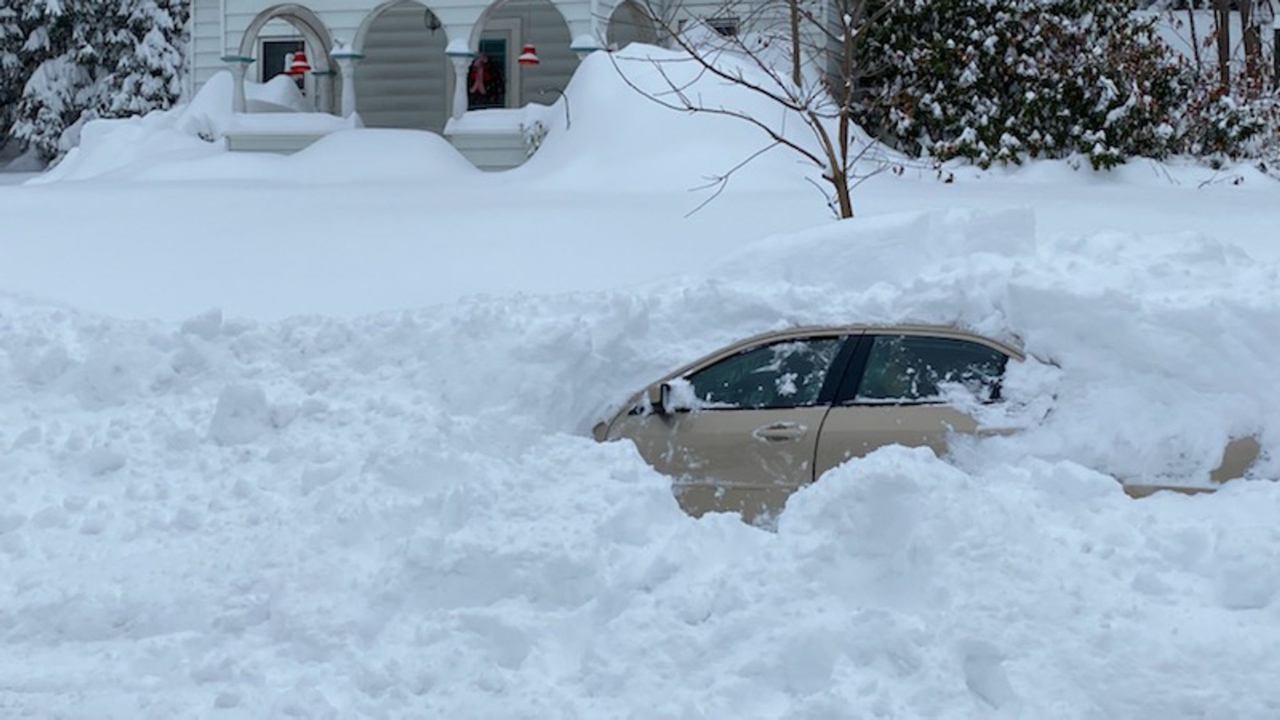
New York Weather Alert: First Snow Arrives — Could You Survive Stuck on I-87 for Two Months Like One Man Did?
Albany, NY — As the first snow of the season blankets parts of upstate New York, residents are being urged to pay attention to weather warnings and preparedness. The arrival of winter precipitation is more than just a season-change photo op—it’s a reminder of what can happen when people are caught off guard, stranded for long periods, and exposed to the elements. One recent survival story shows just how extreme it can get.
Snow Makes a Dramatic Entrance
Meteorologists are tracking a shift in air masses bringing moist Atlantic air into contact with colder northern systems, triggering snowfall across the Hudson Valley and the Adirondacks. As roads begin to glaze over and highways become slick, the state’s transportation and emergency agencies are issuing advisories for drivers to exercise caution—especially on long routes like Interstate 87 (I-87).
Even though the initial accumulation may appear modest, the conditions that follow—ice, drifting snow, reduced visibility—pose serious risks. Officials remind motorists: if winter strikes, being stranded is more than an inconvenience—it can become a survival situation.
A Survival Story That Puts Things in Perspective
In a striking example of what can happen, one man was buried under snowfall after his vehicle crashed on a remote highway and remained trapped for nearly two months. He survived by melting snow for water and rationing food while enduring freezing nighttime temperatures. The incident serves as a sobering reminder that being stuck for days—or even weeks—requires more than luck.
What You Need to Know Before Hitting the Road
Here are essential steps drivers should take as winter begins:
-
Pack an emergency kit: Blankets, non-perishable snacks, water, a flashlight, spare phone charger, and a first aid kit can make the difference if you’re stranded.
-
Use your vehicle’s heat smartly: Running the engine only periodically helps conserve fuel while keeping you warm—watch for carbon monoxide risk if you’re in a snow-bound scenario.
-
Move from the road if safe: If you’re forced to stop, stay visible, keep headlights on, and move off the main roadway if possible.
-
Conserve energy and keep warm: Use layers, huddle if possible, and avoid sweating—it drains heat fast.
-
Monitor conditions and plan ahead: Before driving long stretches on highways like I-87, check for road closures, weather alerts, and ensure you’re not heading into a storm zone unprepared.
Why This Matters for New York Drivers
-
Highway exposure: State interstates like I-87 cut through remote, rural regions where help may be delayed. The first snow can quickly turn a routine drive into a dangerous waiting game.
-
Rapid illness risk: Even if the initial incident seems minor (e.g., vehicle stuck, no injuries), exposure to cold and isolation increases the risk of hypothermia and other complications.
-
Infrastructure strain: Snow and ice exacerbate breakdowns, closures, and stranded motorists. The story of survival for two months underscores how desperate things can become when help doesn’t arrive fast.
-
Preventive action is cheaper than rescue: The cost, risk and trauma of being stranded far outweigh the effort to prepare. Having a winter-ready car and mindset is far smarter than hoping you won’t need it.
Looking Ahead: What to Expect
Weather forecasts indicate that the next 24-48 hours may bring a light to moderate snow event across the region. Motorists on I-87 and other vulnerable corridors should assume reduced speed, changing conditions and possible chain or tire requirements. Transportation officials are deploying plows and salt trucks, but when traffic stalls or accidents happen, response times lengthen.
As the season progresses, expect more robust advisories and risk levels: early snow may seem manageable, but each storm builds hazard upon hazard. One snow-laden vehicle in a remote spot can turn survivalist before you realize it.
Be Ready, Not Resigned
The arrival of the first snow may excite children and trigger photos of white rooftops—but for drivers, it is a strong signal to switch into preparedness mode. The story of a man surviving on snow for months is rare, extreme, and instructive. Don’t wait for the worst to begin acting. Check your tires, keep your emergency kit stocked, and treat every winter drive like survival is possible—even if it’s not probable.

Pulkeet Gupta is a dedicated content writer specializing in the field of education and entertainment niche. With a passion for learning and a keen interest in sharing knowledge, Pulkeet has established himself as a prominent figure in the education and entertainment writing community.