New York Pet Safety Alert: Road Salt Is Toxic to Dogs — What to Know Before the First Winter Snows in New York City
New York City — As winter approaches and the first snow begins to dust sidewalks across the five boroughs, a hidden hazard is creeping into neighbourhoods: road salt. While it helps keep footpaths and streets safe for humans, it can pose serious risks to dogs. From paw burns to salt toxicity, pet owners in New York City need to be alert — now is the time to prepare for safe walks and winter care.
Why Road Salt Matters for Dogs
The gritty salt and de-icing chemicals used on sidewalks and road edges contain coarse sodium chloride and other de-icers that can adhere to paws and fur. For dogs, the dangers come in two main forms:
-
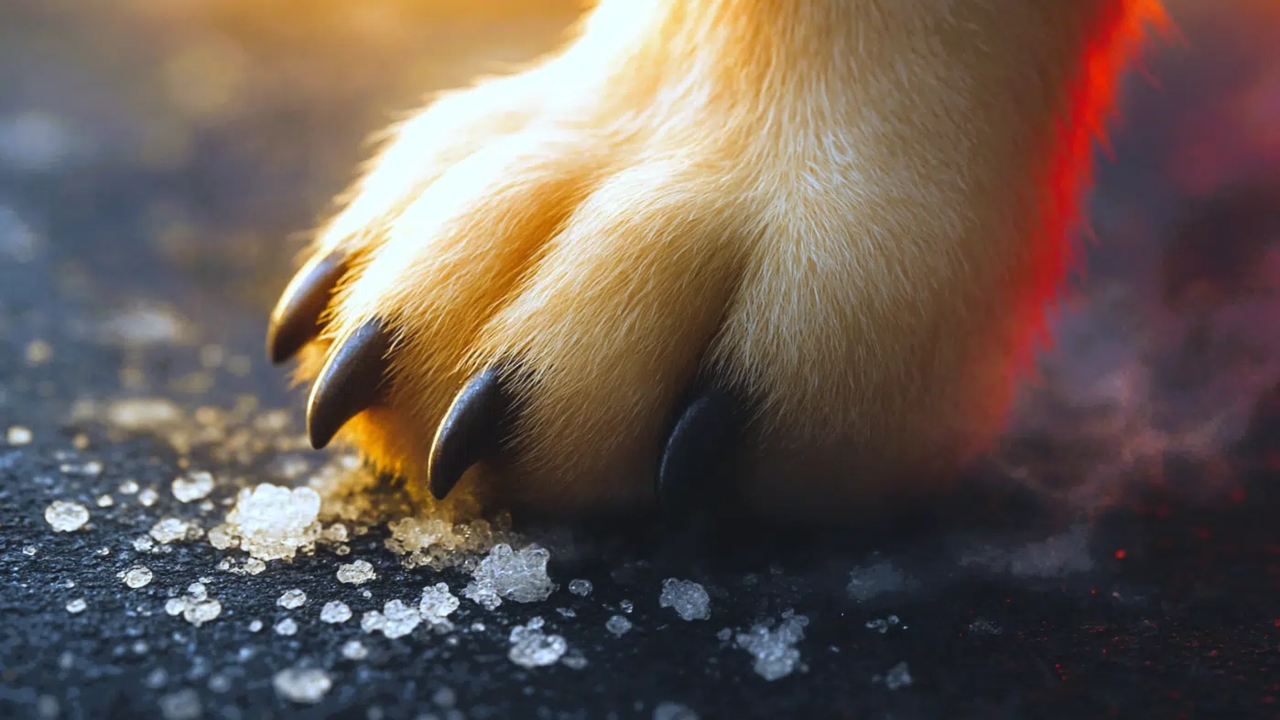
Paw irritation and chemical burn — Salt crystals grinding into paws, trapped between pads and toes, can cause redness, blisters, limping and painful licking.
-
Ingestion and salt toxicity — When dogs lick their salty paws or chew at residue on fur, they can ingest more salt than their bodies can safely handle. This can lead to excessive thirst, vomiting, tremors and in extreme cases seizures or serious electrolyte imbalance.
NYC Walks: What Pet Owners Should Know
In a city like New York where sidewalks, driveways and building entrances all collect salt and melted slush, dog-walkers face extra challenges:
-
After every neighbourhood walk, inspect your dog’s paws. If you spot red or cracked pads, excess licking or even slushy residue trapped in fur, clean and rinse immediately.
-
Consider dog booties or paw wax before heading out in icy conditions. These act as a barrier against sharp salt crystals and chemical exposure.
-
Always wipe your dog’s paws and belly (especially white or light-fur breeds where salt residue shows clearly) after coming inside.
-
Provide fresh water and monitor for unusual drinking, urination, vomiting or fatigue — early warning signs of salt ingestion.
-
Choose a pet-safe de-icing product at home or ask your building management to use alternatives where possible, especially in your entryway or apartment walk-areas.
Signs That Your Dog Might Be Affected
Be aware of these symptoms, especially if your dog has just experienced a walk in winter conditions:
-
Limping or reluctance to walk
-
Bright red or blister-looking paw pads
-
Excessive paw licking
-
Drooling, vomiting or shaking (which may signal ingestion)
-
Increased thirst or urination
-
Lethargy or confusion
If you observe any of these, contact your vet promptly — early treatment can prevent serious outcomes.
Preventive Steps for City Dog Owners
Here’s a quick checklist to keep your dog safe while snow falls and sidewalks turn slick:
-
Use boots or paw protective balm before walks in snowy/icy conditions.
-
Walk on cleared paths and avoid visible salt piles and edges of slush where residue gathers.
-
Designate a spot at home (entryway mat + basin of warm water) to gently wash paws after outdoor time.
-
Check with your building or landlord about using pet-friendly ice-melt near entrances, corridors and pet-walk areas.
-
Keep walks shorter during heavy salt usage days, and avoid playful digging or rolling in slush near road edges.
Why This Is Especially Important in NYC
-
Sidewalks in dense urban settings often receive heavy application of salt and de-icers, increasing exposure for dogs.
-
Walks through parks, near roadsides or along plowed snow ridges mean paws come in contact with a concentrated mix of chemicals and debris.
-
Pets in high-rise residences may rely on common building hallways and exterior walkways where salt accumulates daily — risk is constant.
-
With winter in the city, cleaning routines can slip — simple protections go a long way in keeping your companion safe.
As snow falls and New York City transforms into its winter-wonderland self, the joy of walks through calm urban streets should not come at the cost of your dog’s wellbeing. Road salt may seem benign, but for our four-legged friends it can cause pain, illness and distress. By taking a few proactive steps, choosing pet-safe products and remaining vigilant, you ensure that winter remains fun, safe and healthy for your best friend.

Pulkeet Gupta is a dedicated content writer specializing in the field of education and entertainment niche. With a passion for learning and a keen interest in sharing knowledge, Pulkeet has established himself as a prominent figure in the education and entertainment writing community.