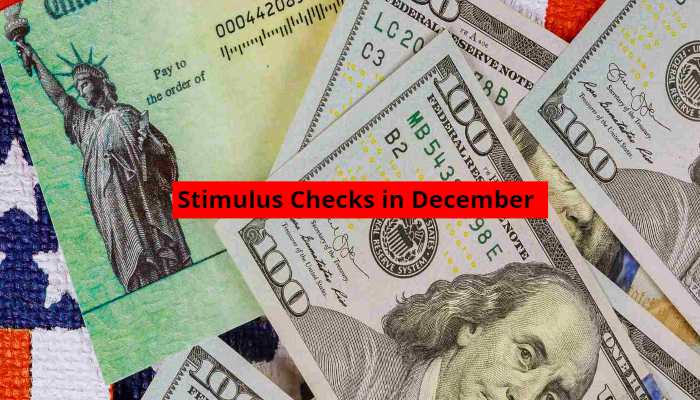
JPMorgan Strategist Says Huge 2026 Tax Refunds Could Feel Like Stimulus Checks
As Americans prepare for the next tax season, a leading strategist from JPMorgan has sparked widespread discussion by suggesting that tax refunds issued in 2026 could be unusually large — and may feel similar to stimulus checks for many households. The forecast is tied to recent changes in tax policy and withholding rules, which are expected to result in millions of taxpayers receiving more money back after filing.
Why 2026 Tax Refunds Could Be Much Larger
According to the strategist’s analysis, many workers paid taxes throughout 2025 based on withholding tables that did not fully reflect updated deductions, credits, and tax adjustments. When these changes are applied during tax filing, the result could be significant overpayments being refunded to taxpayers.
This situation typically occurs when tax rules are updated after payroll systems are already in place, resulting in workers paying slightly more than necessary during the year. Once returns are processed, that excess comes back as a larger refund.
Why Some Compare It to a Stimulus Check
While these refunds are not a government relief program, the effect may feel similar for many families. A large, lump-sum deposit arriving early in the year can provide a noticeable financial boost, especially for households managing high living costs.
Economists say that when millions of people receive larger-than-expected refunds at the same time, it can:
-
Increase short-term consumer spending
-
Improve household cash flow
-
Provide temporary financial relief
This is why some experts describe the upcoming refunds as “stimulus-like,” even though they are technically money taxpayers already earned.
How Much Money Are Taxpayers Talking About?
Refund amounts will vary depending on income, filing status, credits claimed, and withholding history. However, projections suggest that many taxpayers could receive refunds well above recent averages, with some seeing increases of hundreds or even thousands of dollars compared to previous years.
Not everyone will benefit equally, but middle-income households and families with dependents are expected to see the most noticeable gains.
Important Difference Between Refunds and Stimulus Payments
It’s important to understand that tax refunds are not new government spending. They represent money that was already withheld from paychecks throughout the year. Unlike stimulus checks, refunds are not automatic and depend entirely on individual tax situations.
Because of this, some taxpayers may still receive modest refunds or none at all, while others see substantial increases.
What Taxpayers Should Do Now
As the 2026 tax season approaches, financial experts recommend:
-
Reviewing paycheck withholding amounts
-
Filing tax returns early to avoid delays
-
Choosing direct deposit for faster refunds
-
Keeping records of income, deductions, and credits
Those unsure about how recent tax changes affect them may benefit from professional tax guidance.
Possible Economic Impact
If large refunds materialize as expected, analysts believe the influx of cash could support consumer spending early in the year, particularly in sectors like retail, travel, and services. However, some economists caution that increased spending could also contribute to inflationary pressure if demand rises too quickly.
The idea that 2026 tax refunds could feel like stimulus checks reflects the scale of expected refunds rather than a new payment program. For many Americans, the upcoming tax season may bring a welcome financial boost — one driven by tax mechanics rather than emergency relief.
As filing season approaches, taxpayers are encouraged to stay informed, plan ahead, and understand how tax changes may affect their personal finances.

Pulkeet Gupta is a dedicated content writer specializing in the field of education and entertainment niche. With a passion for learning and a keen interest in sharing knowledge, Pulkeet has established himself as a prominent figure in the education and entertainment writing community.