NYC Officers Not Charged in Fatal Shooting of 19-Year-Old: Community Reacts as Investigation Continues
A decision not to press criminal charges against two New York City police officers involved in the fatal shooting of a 19-year-old has sparked anger and renewed debate over police practices and mental-health response protocols in the city.
The Incident: Mental-Health Crisis Turns Deadly
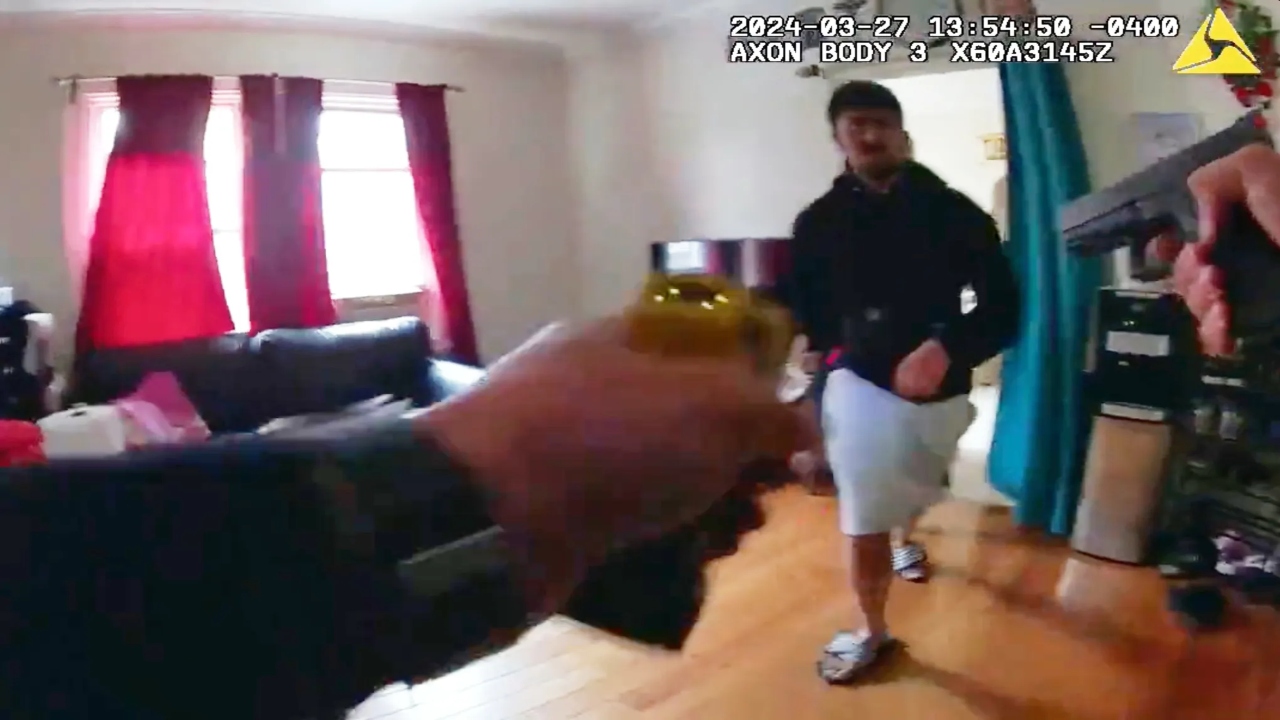
Earlier this year, emergency responders entered a Queens apartment after receiving a call about a young man in severe mental distress. Officials say the 19-year-old was holding a pair of scissors and acted erratically. When officers confronted him, he advanced toward them despite repeated warnings, prompting one officer to fire. The young man was struck multiple times and later died from his injuries.
His mother and younger brother were present in the apartment and reportedly pleaded with officers not to shoot, but the situation escalated before any nonlethal intervention could occur.
Decision: No Criminal Charges — But Internal Review Pending
After reviewing body-camera footage, witness statements, and medical reports, prosecutors concluded that charges were not warranted, citing self-defense and the imminent threat posed by the suspect. Under current law, the officers’ use of deadly force was judged legally justified.
Nevertheless, the department announced it will hold an internal disciplinary hearing to examine whether the officers followed protocols appropriately. Meanwhile, the victim’s family has filed a civil lawsuit, and community groups are pressuring the city for broader reform.
Community Outcry and Questions About Policing Mental-Health Crises
The ruling has triggered widespread outrage. Advocates for mental-health reform argue that dispatching armed officers to handle psychiatric emergencies endangers vulnerable individuals. Many call for increased use of specialized crisis teams — staffed by mental-health professionals, social workers, and medic personnel — in place of or alongside traditional police response.
Local residents and student groups added their voices, saying the decision underscores systemic inequities and the dangers faced by mentally ill individuals during police interventions.
What Officials and Experts Are Saying
Supporters of the decision maintain that officers acted under extreme, life-threatening circumstances and had little choice. They highlight the need for officer safety when a suspect poses a credible threat.
At the same time, mental-health professionals and civil-rights organizations argue that the incident reflects a broader failure — that communities must invest in alternative response models to prevent tragedies involving unstable individuals.
The Bigger Picture: Public Trust, Safety, and Reform
The ruling comes amid renewed scrutiny of how cities nationwide handle mental-health emergencies. Many fear that if nothing changes, similar outcomes will continue to occur — especially in neighborhoods with limited access to mental-health support.
City leaders are now facing mounting pressure to enact reforms: better crisis de-escalation training, expanded mental-health response units, and clearer guidelines on when police intervention is appropriate.
Next Steps: Investigation, Accountability, and Conversation
-
An internal departmental review will examine whether proper procedures were followed.
-
The civil lawsuit filed by the victim’s family may prompt additional accountability.
-
Community activists are organizing to push for expanded mental-health crisis teams and policy changes.
-
Public forums and city council discussions are expected to consider legislative reforms for mental-health policing protocols.

Pulkeet Gupta is a dedicated content writer specializing in the field of education and entertainment niche. With a passion for learning and a keen interest in sharing knowledge, Pulkeet has established himself as a prominent figure in the education and entertainment writing community.